


Suicide in Muslim Communities
Breaking the Silence and Stigma
Suicide remains one of the most stigmatized issues within Muslim communities, deeply influenced by religious beliefs and cultural expectations. From a young age, many Muslims are taught that suicide is haram—forbidden in Islam. This belief, rooted in the understanding that life is a sacred gift from Allah, stresses that only He has the authority to give and take life. While this emphasizes the sanctity of life, it also fosters a culture of silence around mental health struggles. Those grappling with depression, trauma, or suicidal thoughts are often left feeling isolated and judged, unable to seek help without fear of stigma.
Addressing mental health challenges is particularly difficult in Muslim communities due to pervasive cultural barriers. Emotional distress is sometimes dismissed as a lack of faith or even attributed to supernatural causes like possession by a jinn. These perceptions prevent meaningful discussions, reinforcing the notion that mental health struggles are personal failings rather than genuine health issues. Men, who are often seen as the heads of households and providers, face enormous pressure to appear strong and in control. Admitting to depression or despair is viewed as a weakness that threatens their role in the family. For women, the stigma is equally severe. Many are expected to care for the household, raise children, and maintain family harmony, often sacrificing their own well-being. Acknowledging feelings of sadness, loneliness, or exhaustion risks being seen as ungrateful or failing in their duties.
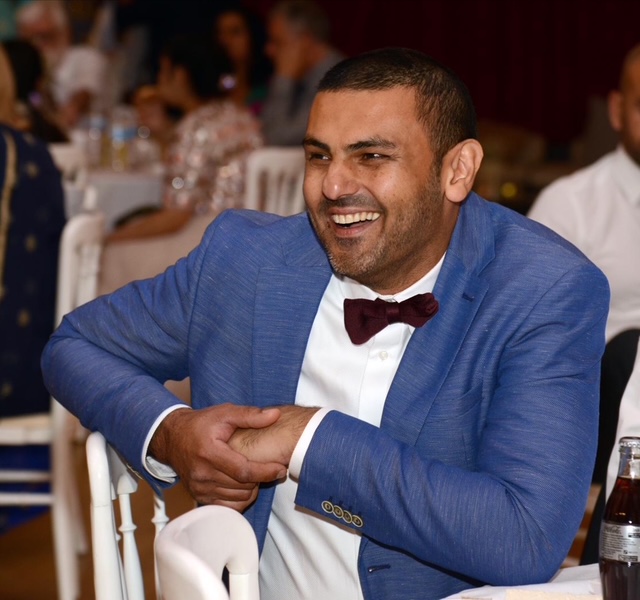
This reality became painfully clear in my own life when my husband Ayaz passed away by suicide. He never spoke to anyone about his depression, feeling he had no safe space to open up, and by the time he could no longer bear the weight of his pain, it was too late.
After his death, I was consumed by fear of judgment. I hid the fact that he had taken his own life, dreading the shame it might bring upon his memory and our family. I, too, found it hard to confide in people except for my very close circle of friends and a few close family members. While I appeared strong for my children and community, inside I was breaking. Like Ayaz, I found no outlet, my close family and friends had never experienced such loss so didn’t know how to help, and I didn’t know where to turn for support.
Generational trauma adds to this silence. Many of our mothers migrated from South Asia into unfamiliar countries, navigating language barriers, cultural isolation, and arranged marriages to strangers. Their unprocessed trauma created cycles of silence and emotional suppression that persist today.
To break these cycles, we must foster open conversations about mental health within Muslim communities. Religious leaders, families, and organizations must challenge the stigma and create compassionate, culturally sensitive resources. Only by listening and supporting one another can we honor the Islamic principles of community care and the preservation of life.
Stay Updated
Sign up to our newsletter to receive the latest updates from The Baton of Hope direct into your email inbox. Use the form below to sign up to our newsletter.